PORTFOLIO ONESPARK BLOG ABOUT FAQ BOOK A SCOPE CALL
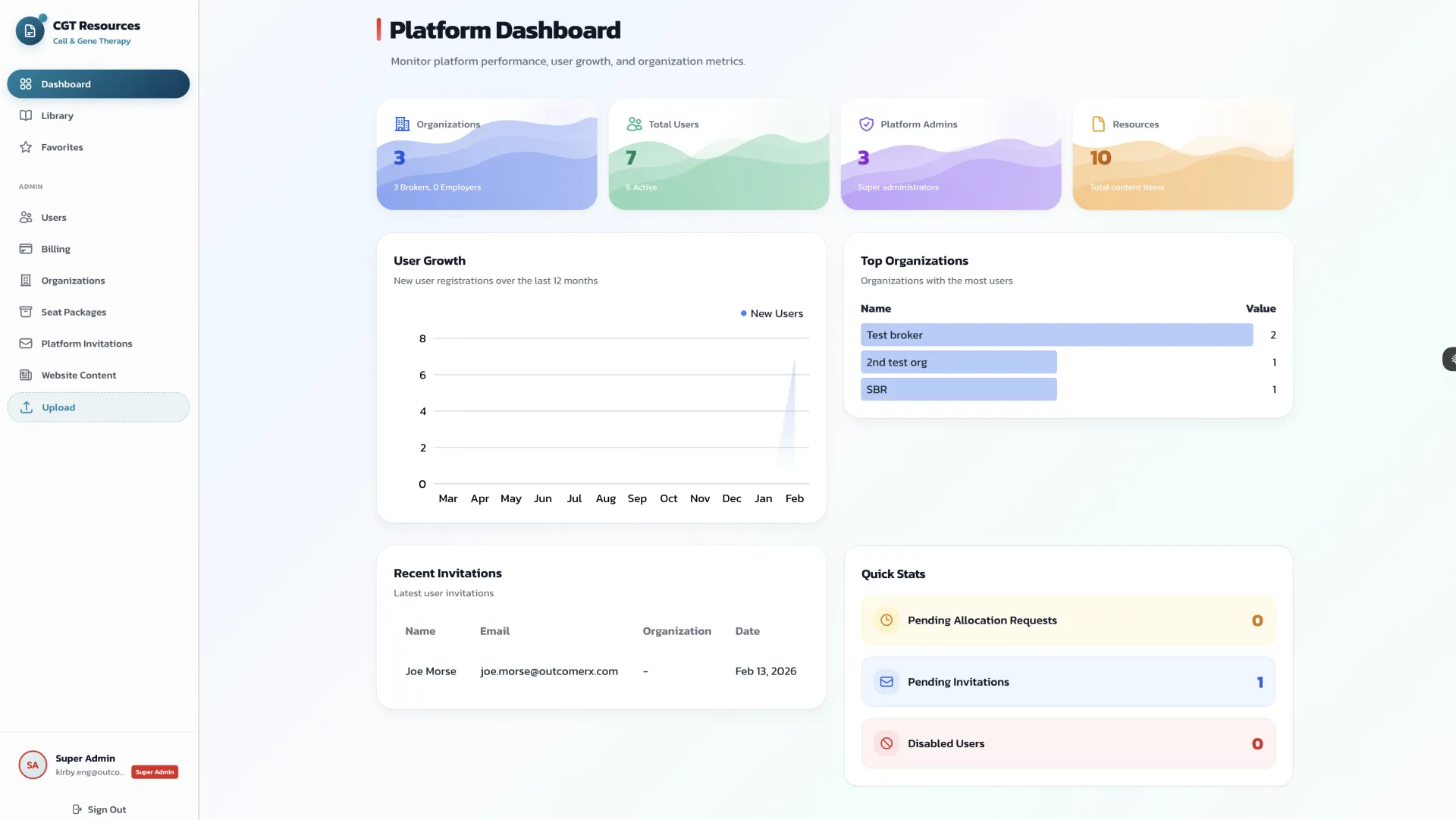
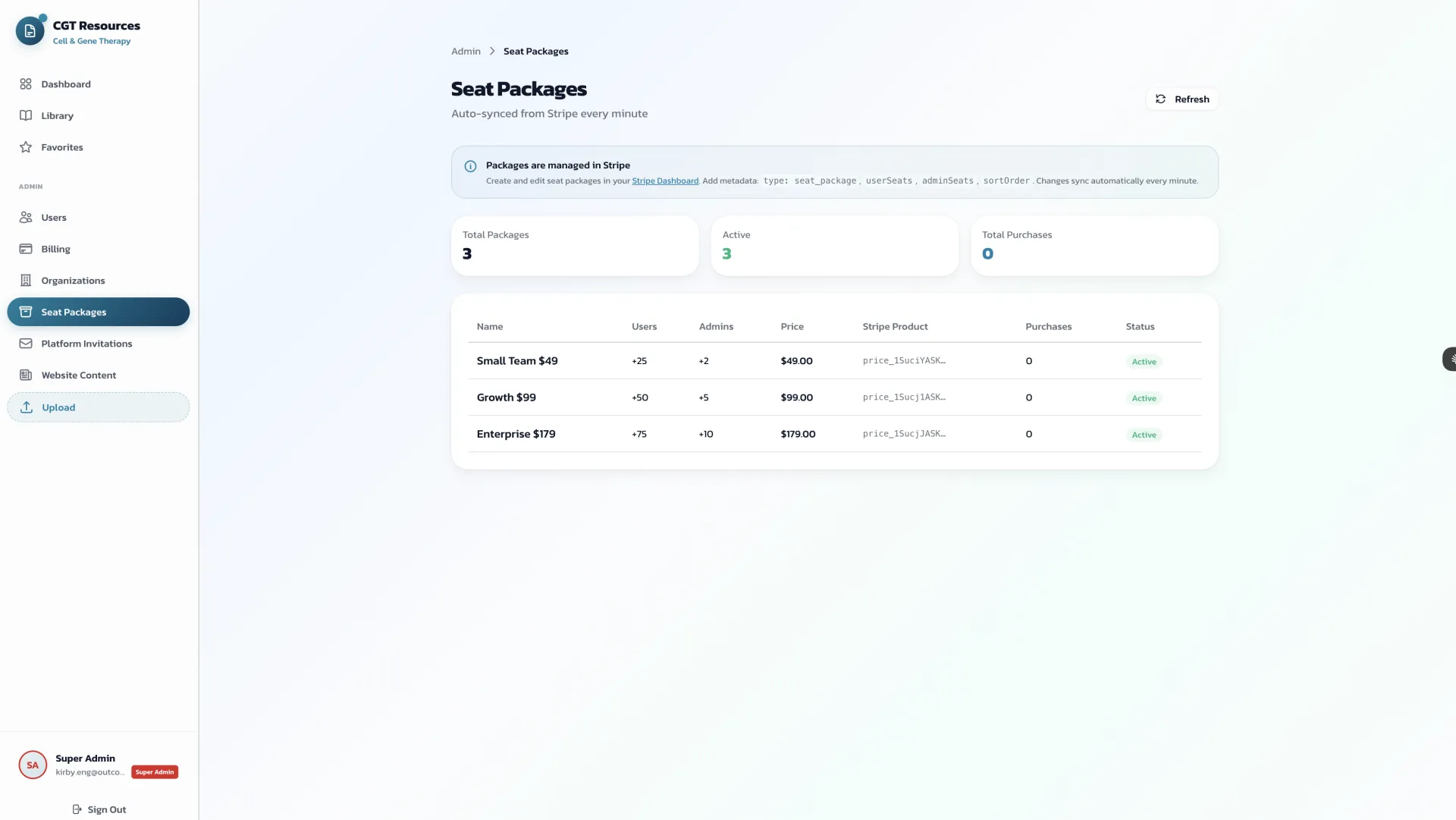
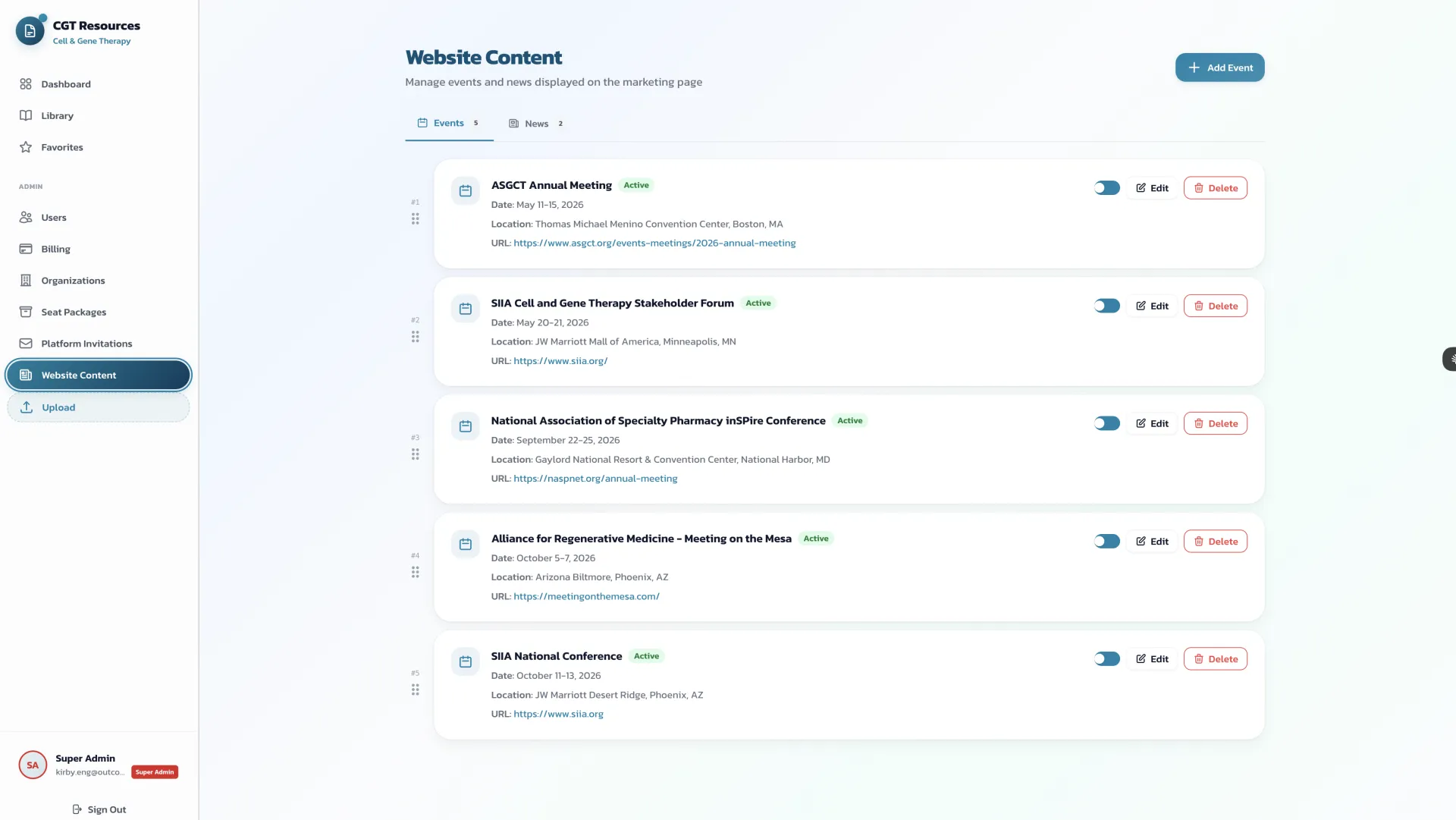
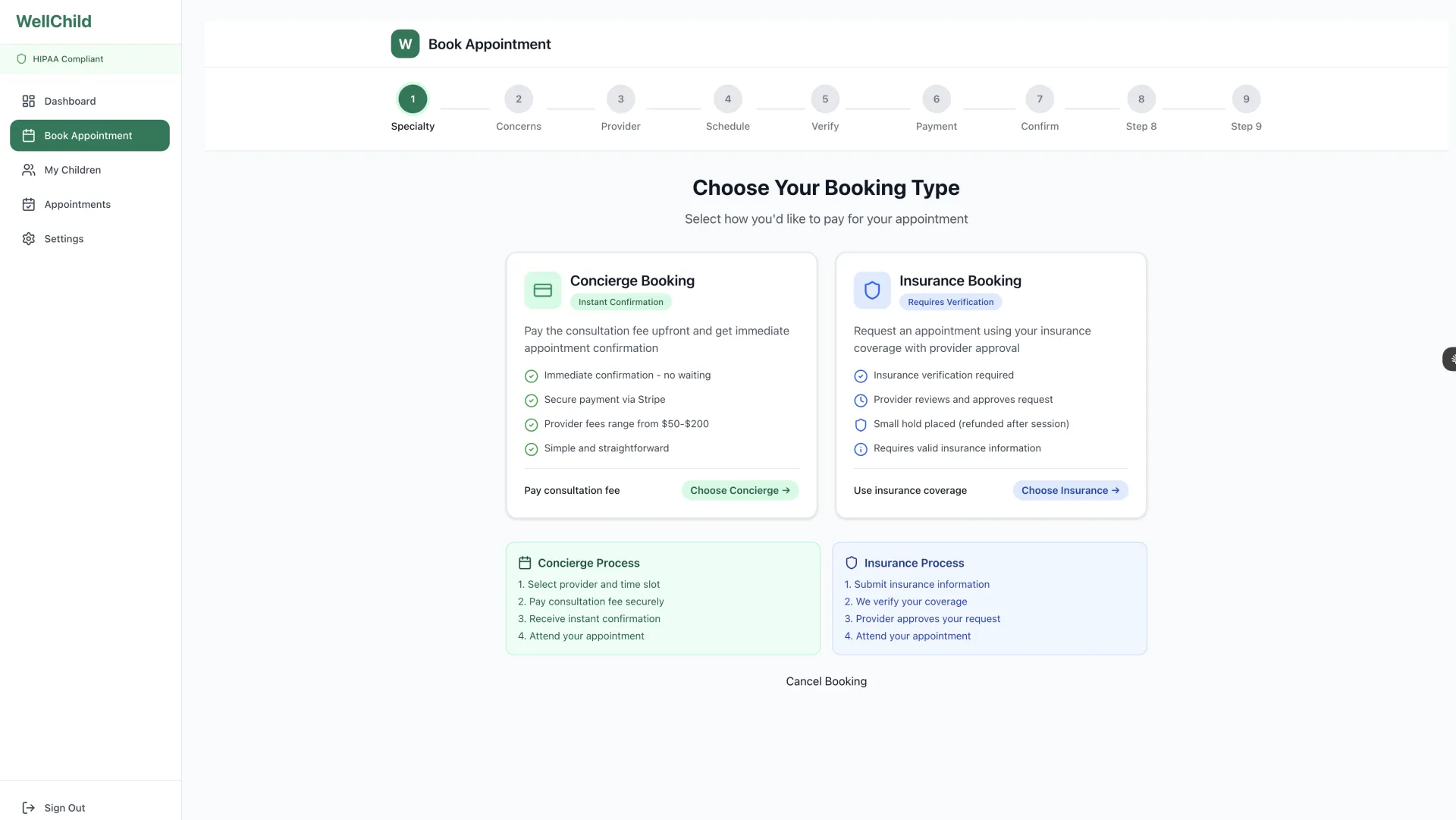
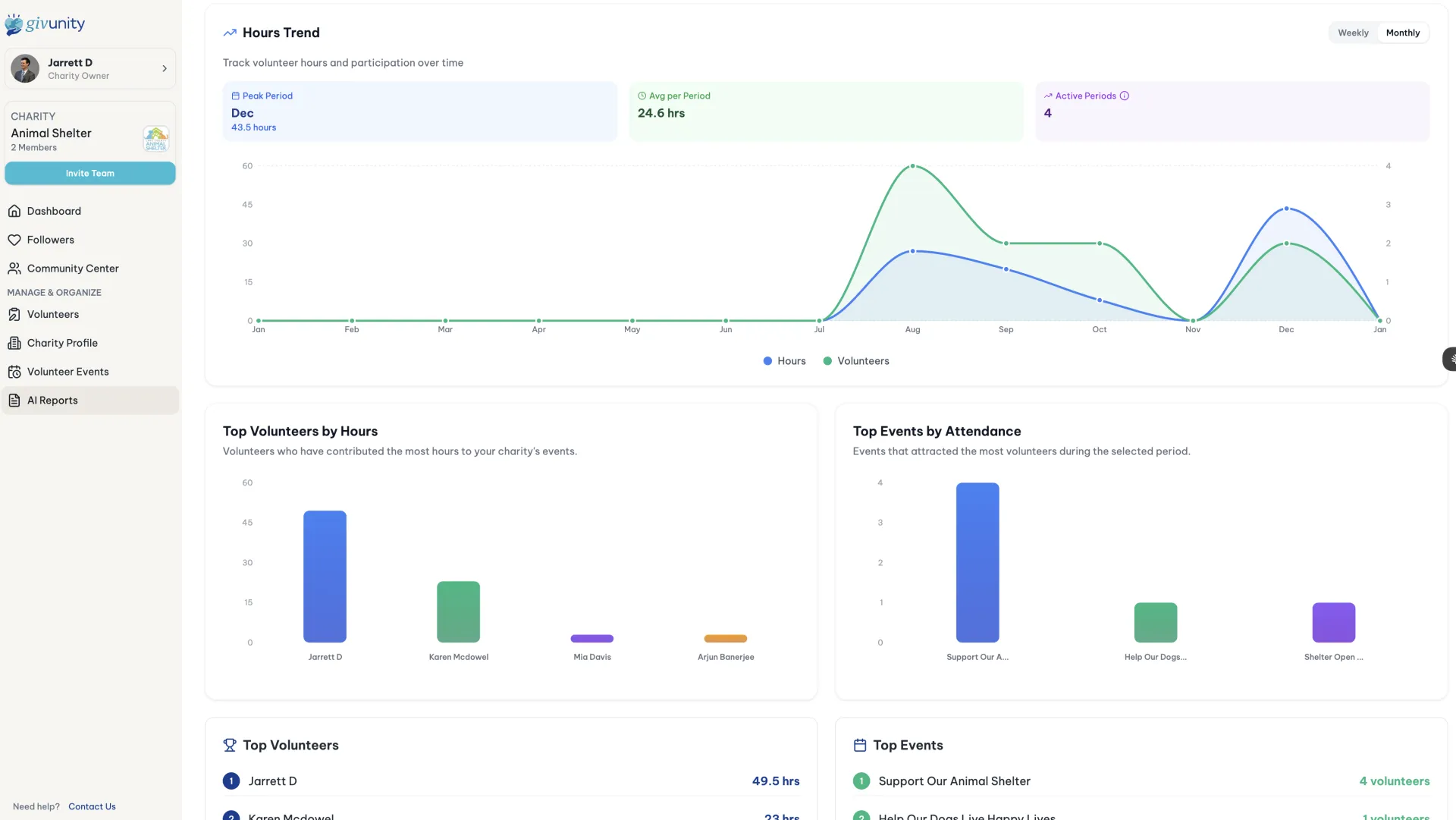
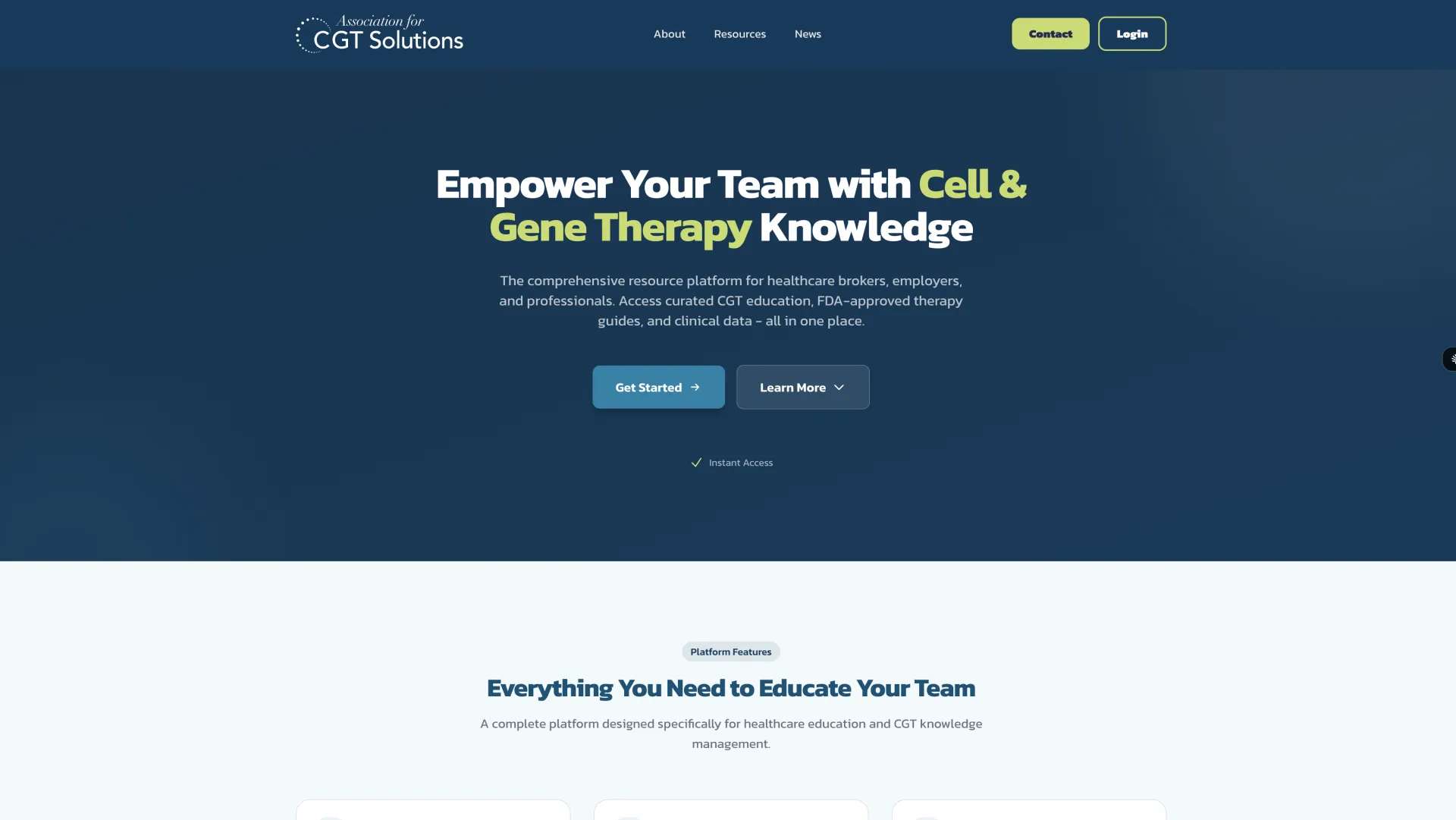
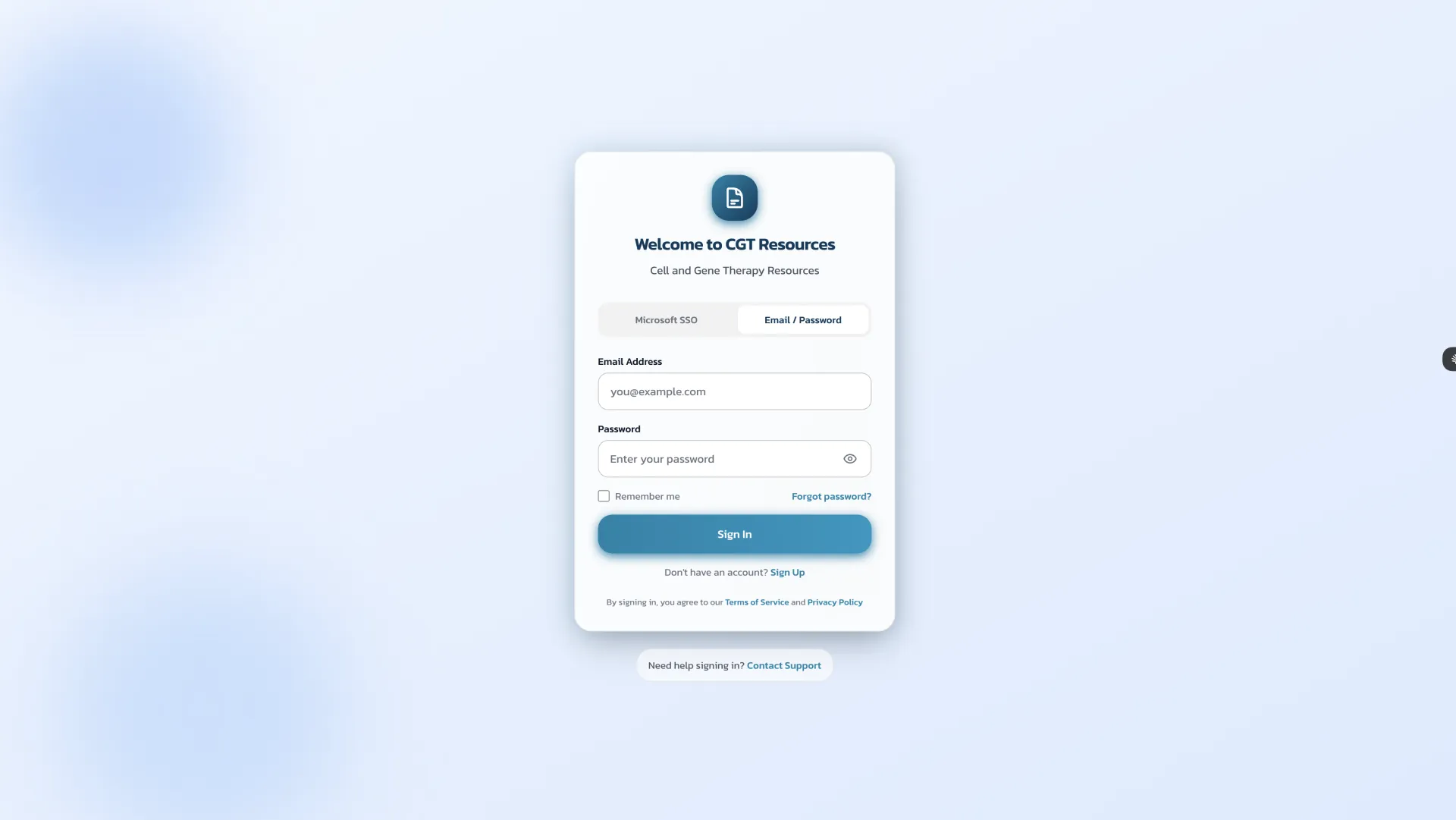
OutcomeRx HIPAA-compliant cell and gene therapy resource center landing page
HEALTHCARE

OUTCOMERX

HIPAA-compliant cell & gene therapy platform — legacy vendor replaced in 30 hours

30 HRS BUILD TIME
~93% FASTER
8-MO ROI BREAK-EVEN
HIPAA COMPLIANT

OutcomeRx operates in the cell and gene therapy space, supporting brokers and employers navigating multi-million-dollar therapy cases. OneChair replaced their costly third-party SaaS platform with a fully custom, HIPAA-compliant healthcare platform built on AI-orchestrated development.

Tech Stack

Next.js 15 NestJS PostgreSQL Redis Socket.IO ClamAV

Delivery Time

30 hours

Summary

OutcomeRx operates in the cell and gene therapy (CGT) space, supporting brokers and employers navigating multi-million-dollar therapy cases. The team had been running their resource center on a third-party SaaS platform — generic, unbranded, expensive, and impossible to customize.

OneChair replaced it with a fully custom, HIPAA-compliant healthcare platform built on AI-orchestrated development. Total build time: 30 hours. Full platform launch: under a month. ROI break-even: 8 months. Result: complete platform ownership, custom-tailored experiences for brokers and employers, and a foundation the team is now scaling into a full case management system.

This case study breaks down how a regulated-industry healthcare platform with HIPAA compliance, audit logging, virus scanning, and multi-tenant architecture got delivered in less time than most agencies take to write the SOW.

At a Glance

  • 30 hours total build time, against a traditional benchmark of 2.5–3 months
  • ~93% faster than traditional custom healthcare development
  • 8-month ROI break-even versus the legacy vendor’s recurring subscription fees
  • HIPAA-compliant from day one — audit logging, virus scanning, role-based access
  • 7 user roles and full multi-tenant architecture
  • Full platform ownership — no recurring fees, no vendor roadmap dependence

The Challenge

The cell and gene therapy market is one of the fastest-moving corners of healthcare. CGT treatments routinely cross seven-figure price tags, decisions move quickly, and the brokers and employers making them depend on resource centers to stay informed and credible. In that context, a generic SaaS portal isn’t just a UX problem — it’s a credibility problem in a category where credibility is the entire product.

OutcomeRx had hit the wall every specialized B2B operator hits with horizontal SaaS:

  • Generic user experience with no way to distinguish between the two distinct audiences (brokers and employers) the resource center serves
  • No custom branding — the platform didn’t reflect the team’s expertise or domain authority
  • Recurring subscription fees for software they didn’t own and couldn’t shape
  • Vendor lock-in to a roadmap that didn’t prioritize CGT-specific workflows

The conventional escape hatch — commission a traditional custom build — felt out of reach. Quoted timelines from healthcare-experienced agencies sat at 2.5 to 3 months at significant cost, and that’s before HIPAA compliance reviews, audit logging requirements, and the inevitable scope creep that turns 3-month healthcare projects into 6-month ones.

So OutcomeRx stayed stuck — paying for a platform that didn’t serve their audience, in a space where the digital experience either signals expertise or quietly undermines it.

The strategic question: Could a HIPAA-compliant, multi-tenant healthcare platform with role-based access, audit logging, and document virus scanning be built fast enough to compete on cost with a SaaS subscription — instead of compounding against it?

The Solution: AI-Orchestrated Development for Regulated Healthcare

The OutcomeRx team was skeptical about AI-assisted development — a reasonable position in healthcare, where regulatory and security stakes raise the cost of getting it wrong. They moved forward on the basis of trust in the OneChair team rather than enthusiasm for the methodology. That trust was rewarded inside the first two weeks.

OneChair’s AI-orchestrated development system compresses the conventional development cycle by running specification, scaffolding, implementation, and review through coordinated AI agents under a single architect’s oversight — without compromising on the security and compliance practices regulated industries require.

What Got Built

HIPAA-compliant foundation:

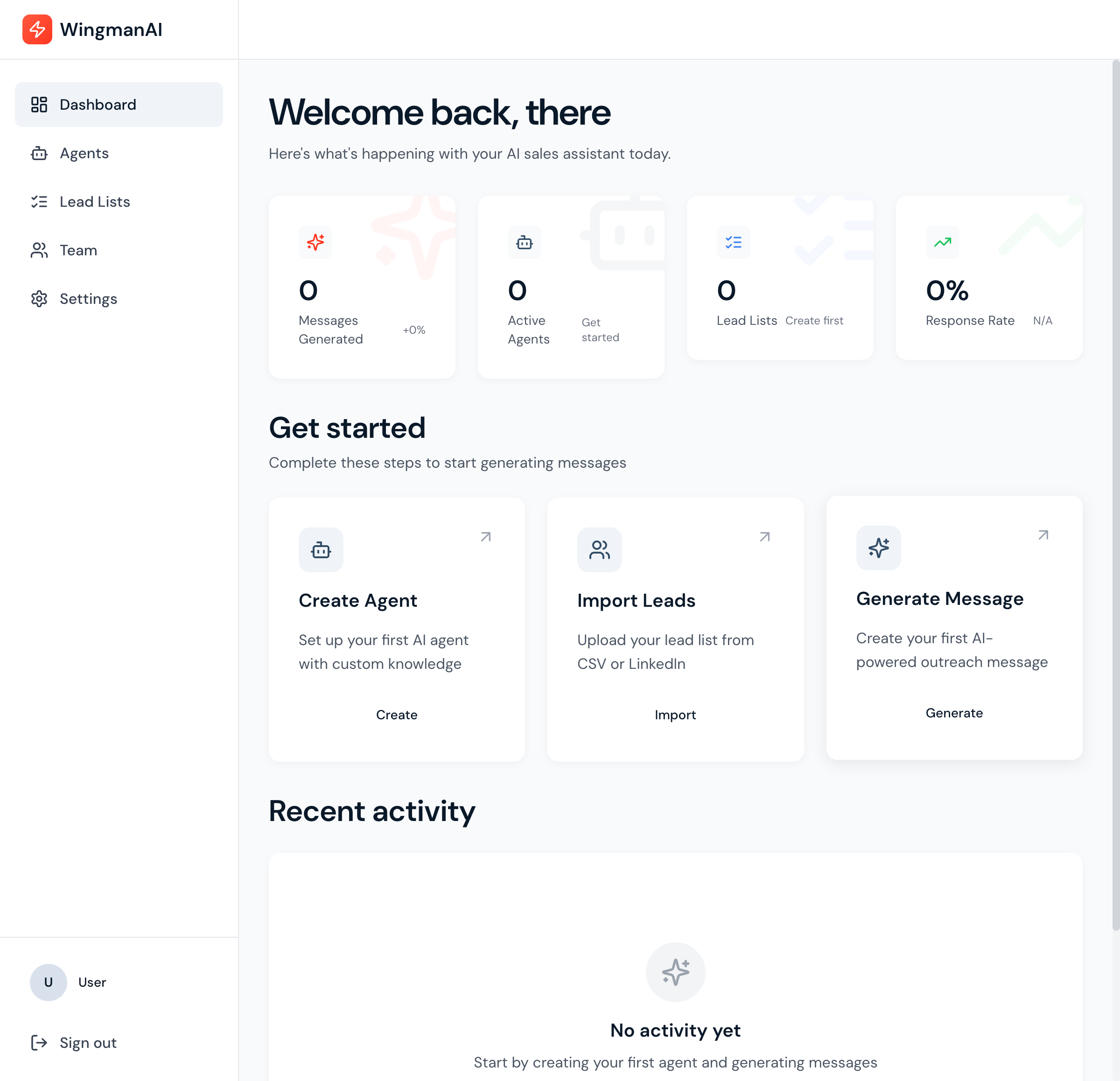
  • ClamAV-powered virus scanning on every uploaded document — non-negotiable for any platform handling clinical or case material
  • Complete audit logging across all user actions, ready for compliance review
  • Role-based access control with 7 distinct user roles
  • Encrypted data at rest and in transit, with PostgreSQL configured for healthcare data handling

Multi-tenant architecture:

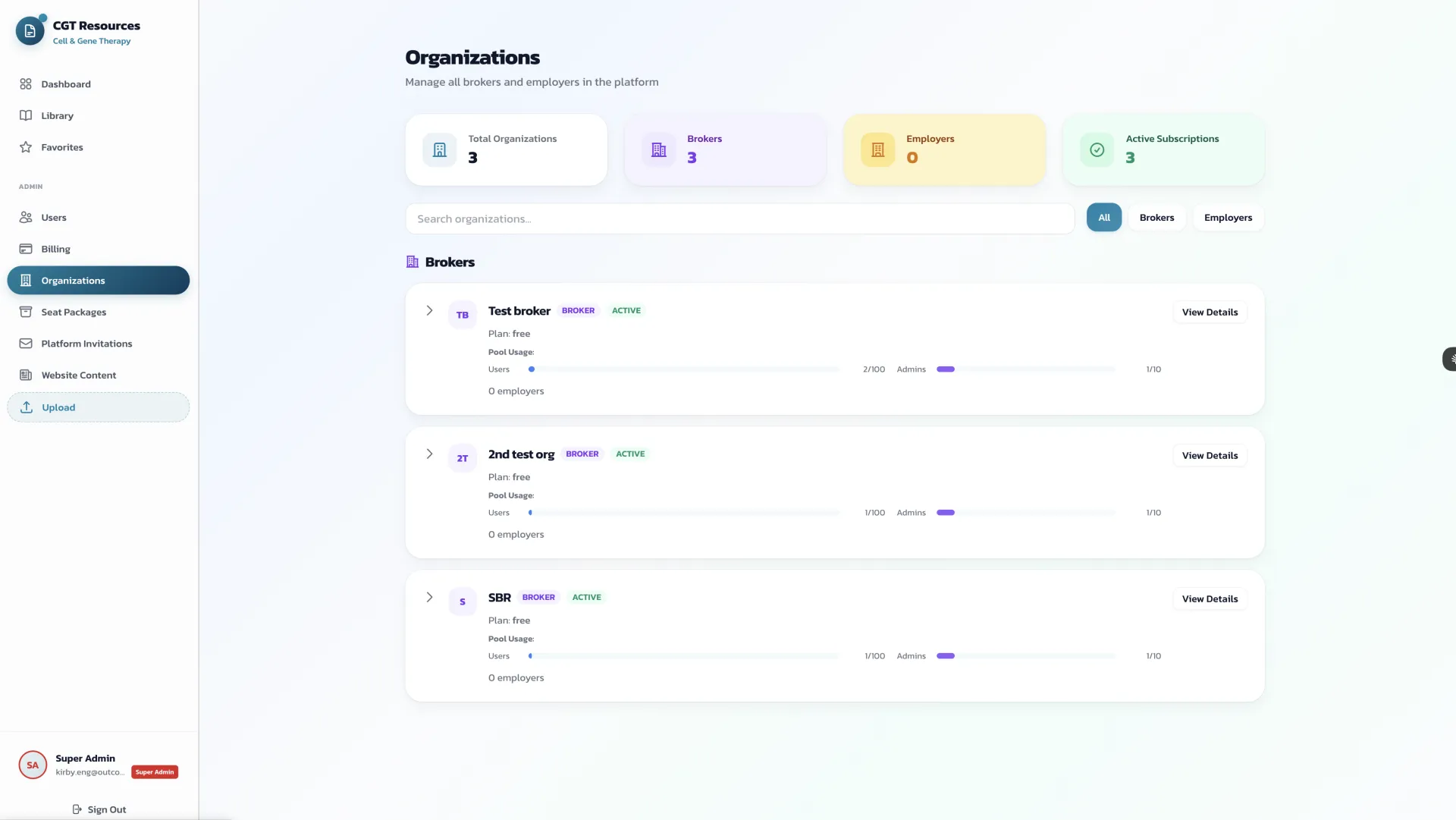
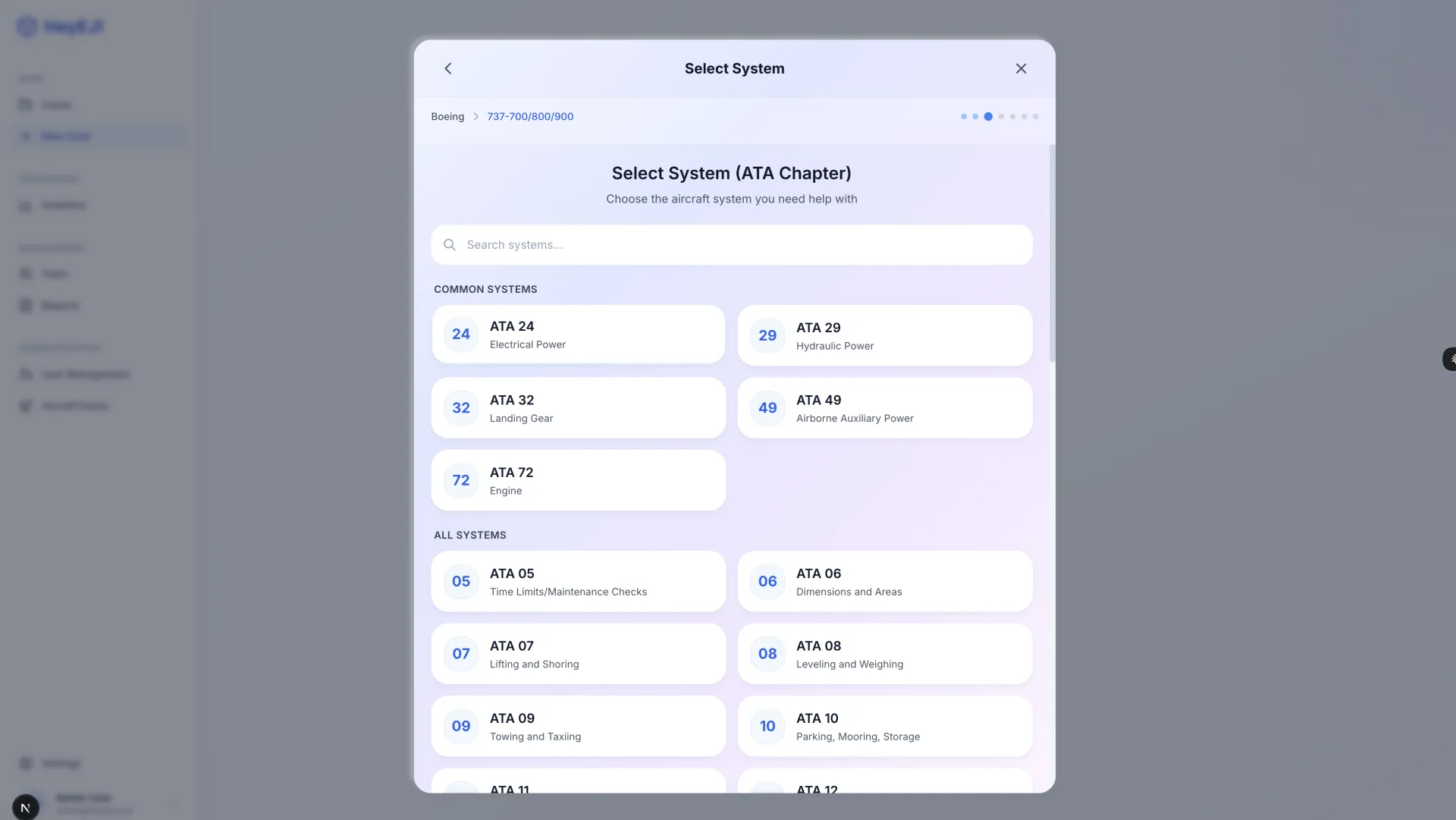
  • Organization-level isolation so brokers and employer groups operate inside their own data boundaries
  • Per-tenant configuration and branding
  • Scalable foundation ready for the larger case management platform now in planning

Audience-specific experiences:

  • Distinct, purpose-built user flows for brokers and employers — the two audiences that the legacy platform couldn’t tell apart
  • Custom branding fully integrated across every surface, restoring the credibility signal a generic SaaS portal had erased

Real-time collaboration and analytics:

  • Socket.IO-powered live updates so coordinators working a case never operate on stale data
  • Real-time analytics dashboards keyed to the metrics CGT operators actually act on
  • Redis-backed performance layer for low-latency interactions even under load

Secure document and content management:

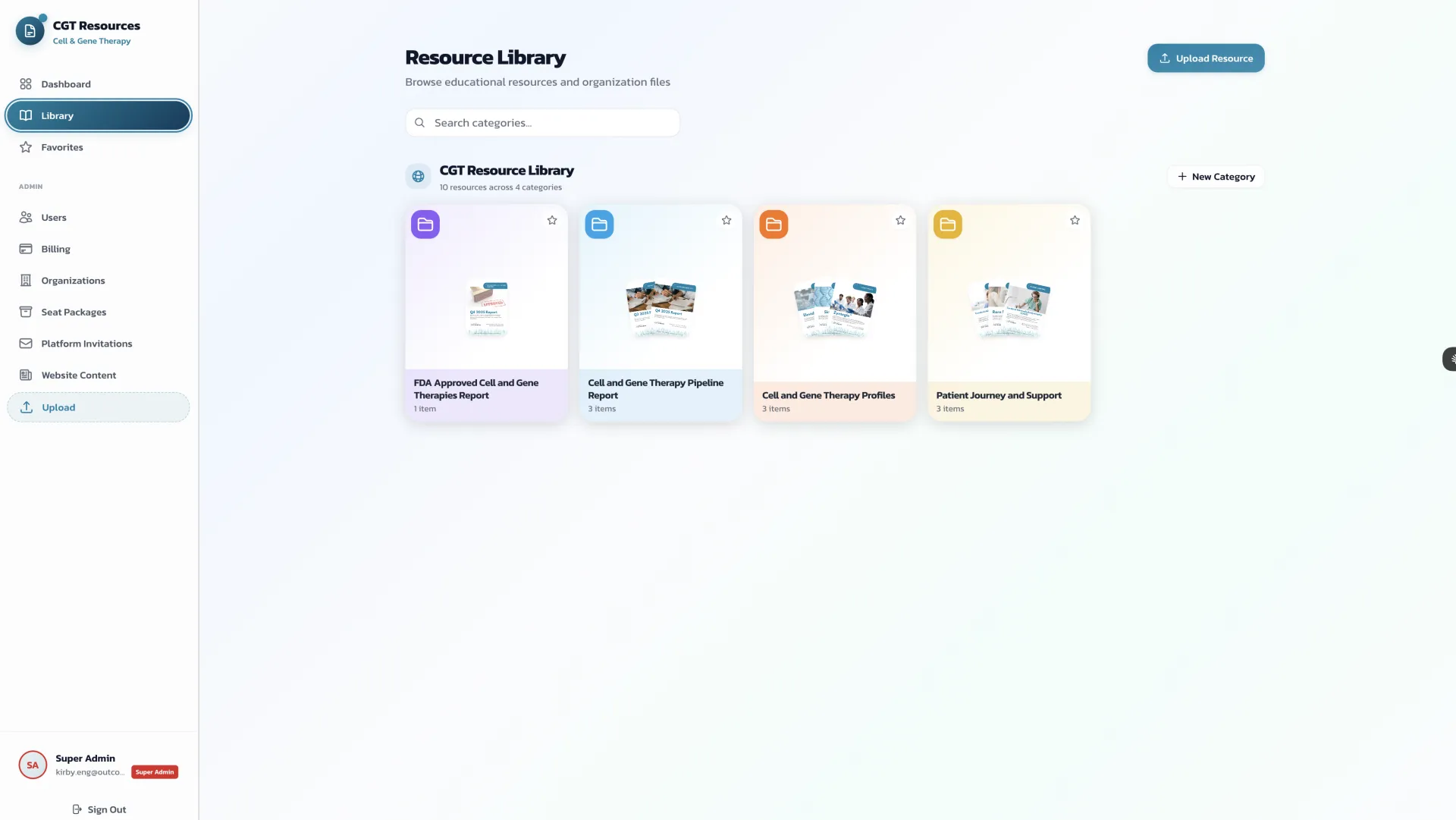
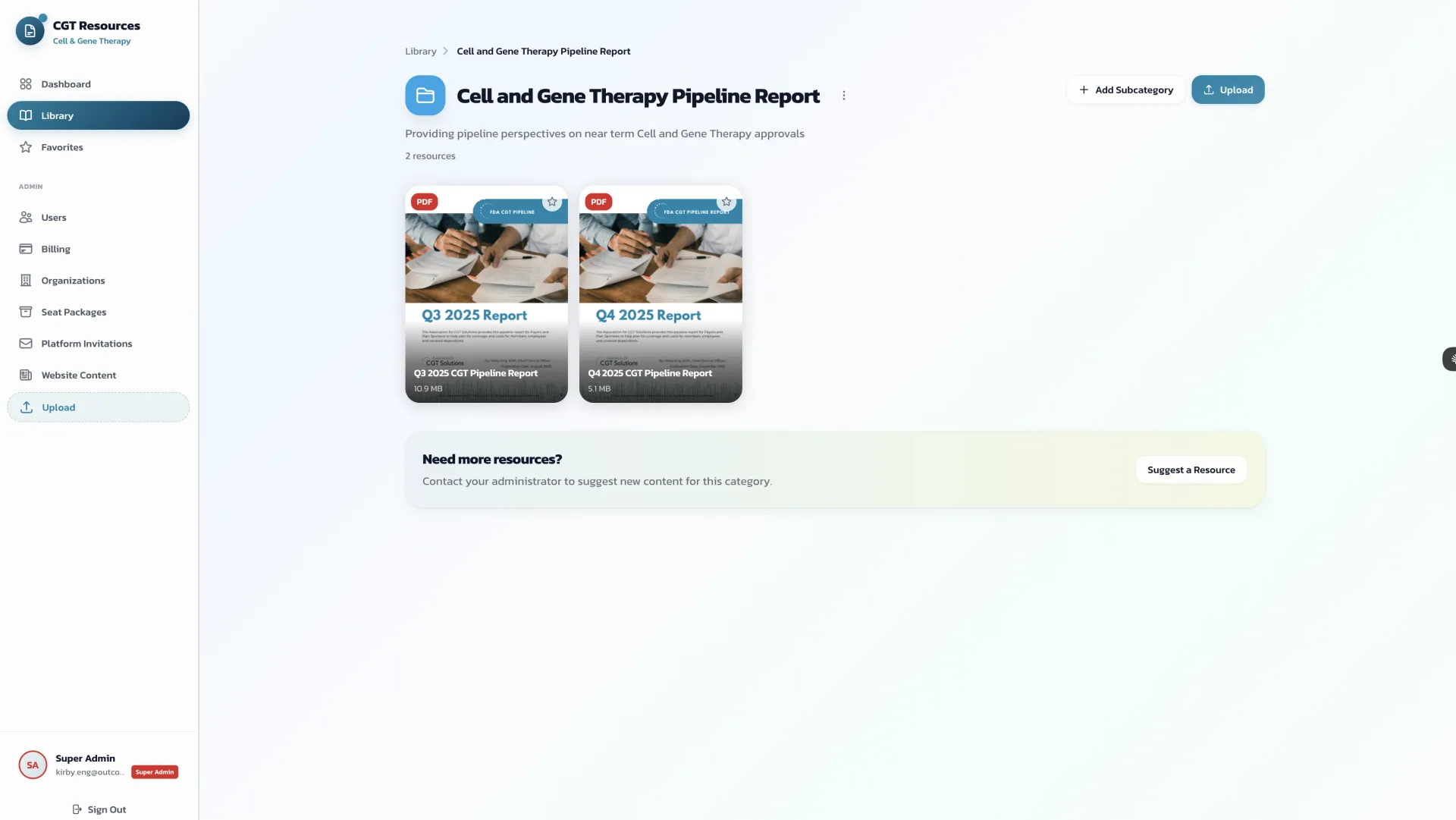
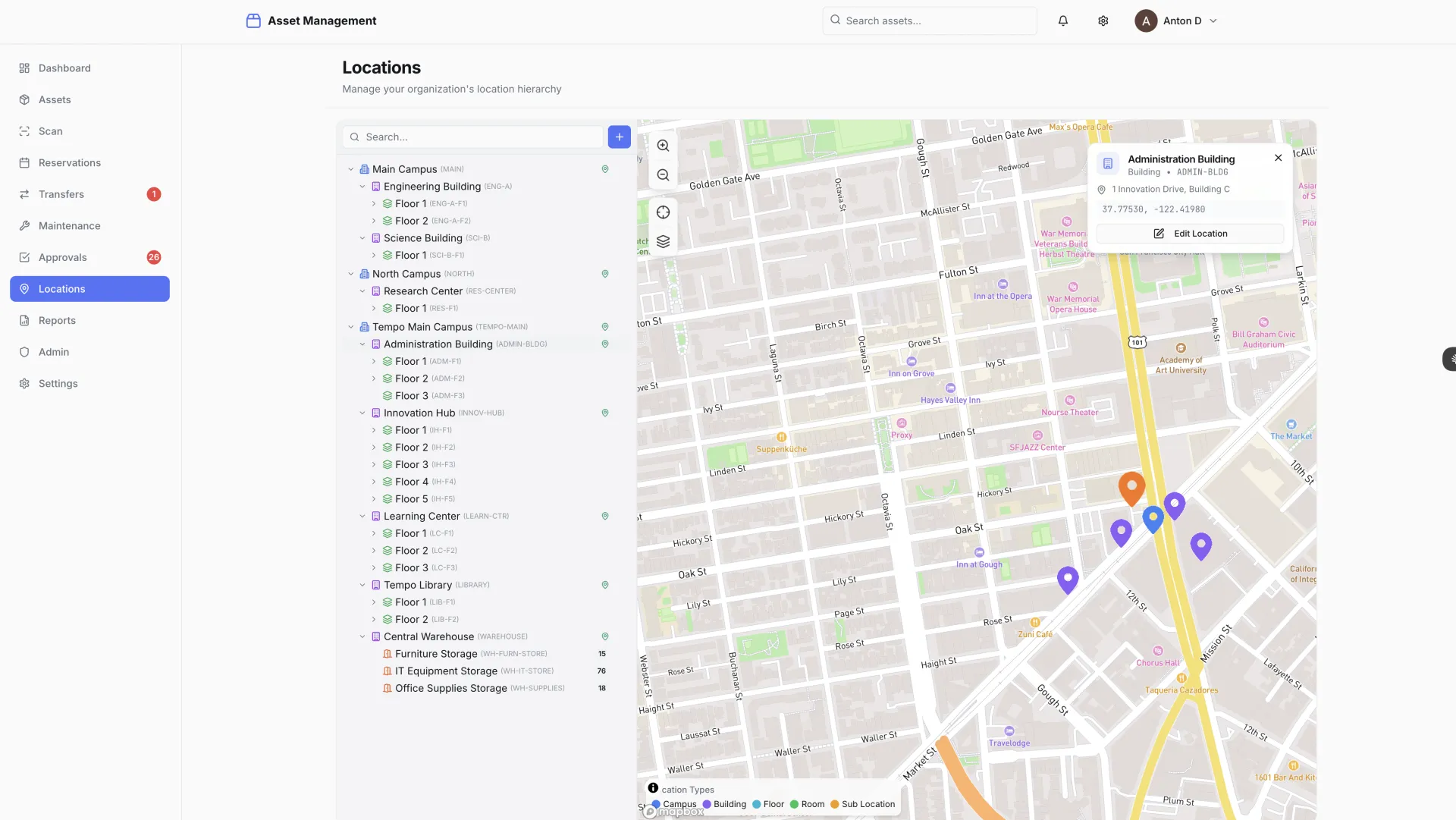
  • Document organization, versioning, and access control
  • Virus-scanned uploads with automated quarantine handling
  • Content management workflows tailored to the resource center’s editorial cadence

How the 30 Hours Broke Down

The build moved through six overlapping phases inside a compressed timeline that delivered the first working iteration in 1.5 weeks and the full platform launch in under a month:

  • Discovery and HIPAA scope mapping — identifying every regulated touchpoint before a line of code got written
  • Architecture and multi-tenant data model — PostgreSQL schema designed for organization isolation from day one
  • Foundation scaffold — Next.js 15 frontend, NestJS API, Redis cache, deployment pipeline
  • Security and compliance layer — ClamAV integration, audit logging, role-based access enforcement
  • Audience-specific UX — broker and employer flows, custom branding, content management
  • Iteration and refinement — continuous user feedback feeding directly into the live product

The single biggest unlock was the iteration cycle. Feedback didn’t sit in a queue waiting for the next sprint — it was reflected in the product almost immediately. The team wasn’t reviewing a spec doc and hoping the build would match. They were shaping a live healthcare platform in real time.

For comparison, see how the same iteration-first approach played out in another healthcare build with identical HIPAA requirements.

The Results

Immediate Financial Impact

  • 8-month ROI break-even against the eliminated subscription fees of the legacy vendor
  • After break-even, ongoing savings compound year over year — every month of operation is now a month of pure savings, not a month of vendor invoice
  • The platform itself becomes a potential revenue-generating asset through premium content tiers and expanded service offerings

Strategic Outcomes

  • Full platform ownership. No vendor roadmap dependency. No feature-request queues. No third-party approval needed for changes.
  • Custom evolution. As the CGT landscape shifts, the platform shifts with it — at the speed the OutcomeRx team needs, not the speed a vendor’s product committee approves.
  • Credibility match. The digital experience finally signals the domain expertise the team brings to a high-stakes, low-tolerance category.

The Strongest Endorsement

The OutcomeRx team is now planning a significantly larger engagement with OneChair that builds on the resource center foundation. Coming back for a bigger, more complex project is the most credible vote of confidence any client can offer.

Why This Worked: A Comparison

Three ways to run a regulated healthcare resource center — and why ownership wins.

Stay on Legacy SaaS Traditional Custom Build OneChair AI-Orchestrated Build
Time to value Already deployed 2.5–3 months minimum First iteration in 1.5 weeks; full launch under a month
Total cost trajectory Recurring forever Large upfront + ongoing maintenance One-time build; 8-month ROI
HIPAA compliance Vendor-managed (generic) Yes, with weeks of compliance scoping Yes, built into the architecture from day one
Custom branding & UX None Yes Yes
Audience-specific flows No Yes Yes
Ability to iterate None Slow, change-order driven Immediate, in-flight
Platform ownership No Yes Yes
Best fit Quick deployment with no fit Large regulated programs, slow change Real healthcare products, fast

We were skeptical about AI-assisted development, but the results validated the decision. The first iteration came in 1.5 weeks, and the full platform launched in under a month. We went from being stuck with no alternatives to owning a platform we fully control.

— Resource Center Team, Cell & Gene Therapy Industry

Key Takeaways

For companies stuck on legacy SaaS platforms. “Too expensive and too slow” is no longer a valid reason to stay on a tool that doesn’t serve your audience. The cost equation has fundamentally shifted: an AI-orchestrated custom build can break even against a SaaS subscription inside a single year, and every month after that is pure savings instead of a recurring invoice.

For regulated industries (healthcare, finance, legal). HIPAA compliance, audit logging, and security architecture are not the reasons a custom build has to take 6 months. They’re scope-defining requirements that experienced architects can build into the foundation from day one. The 30-hour OutcomeRx build included virus scanning, role-based access for 7 user types, complete audit logging, and multi-tenant data isolation — not as an afterthought, but as the first thing scoped.

For industries where credibility is the product. A generic, unbranded SaaS portal in a high-stakes specialty is a credibility leak. Owning your platform means your digital surface matches the expertise you’ve spent years building — and that match is worth far more than the line-item cost of a custom build.

For long-term ROI math. Recurring subscription costs compound. A one-time build that pays for itself in 8 months and then generates pure savings is a categorically different financial model than “renting” your most important customer touchpoint forever.

Frequently Asked Questions

Can a HIPAA-compliant healthcare platform really be built in 30 hours?

Yes, when the work is run through AI-orchestrated development with experienced architectural oversight. The OutcomeRx build delivered HIPAA-required infrastructure — audit logging, role-based access for 7 user roles, ClamAV virus scanning, encrypted data handling, and multi-tenant isolation — as part of the 30-hour scope. The first working iteration was live in 1.5 weeks, with the full platform launched under a month. The trade-off is that scope and compliance requirements have to be defined sharply going in.

How does OneChair handle HIPAA compliance in a fast build?

HIPAA compliance is scoped at the architecture phase, not retrofitted at the end. Audit logging, role-based access control, encryption at rest and in transit, virus scanning on uploads, and multi-tenant data isolation are built into the foundation. Compliance becomes a property of the architecture rather than a separate workstream that doubles the timeline.

What’s the ROI math against staying on a legacy SaaS subscription?

For OutcomeRx, the one-time investment broke even against eliminated subscription fees in approximately 8 months. Every month after that is pure savings rather than a recurring vendor invoice. The platform also becomes an asset capable of generating revenue through premium content tiers and service expansion — something a vendor’s SaaS subscription can never do for you.

What tech stack powers the OutcomeRx platform?

Next.js 15 for the frontend, NestJS for the API, PostgreSQL for the multi-tenant data layer, Redis for caching and performance, Socket.IO for real-time collaboration, and ClamAV for document virus scanning. Modern, conventional, production-proven choices — the speed came from how the work was orchestrated, not from exotic tooling.

Can a custom build really replace a multi-feature SaaS platform without losing functionality?

The OutcomeRx team replaced their legacy platform without losing capability — and added several things the legacy platform couldn’t deliver: audience-specific flows for brokers and employers, custom branding, ownership of the roadmap, and a foundation ready to extend into a full case management system. The strongest evidence is the follow-on engagement: the team is now scoping a significantly larger build with OneChair, which doesn’t happen if the first one came up short.

Is OneChair available for engagements like this?

Yes. OneChair partners with healthcare operators, regulated-industry teams, and B2B SaaS companies looking to escape vendor lock-in or replace legacy platforms with custom builds. Book a scope call to find out whether your build is a fit.
READY TO OWN YOUR PLATFORM INSTEAD OF RENTING IT?

Get a free project audit and find out whether your legacy vendor is costing you more than a custom build would.

BOOK A SCOPE CALL